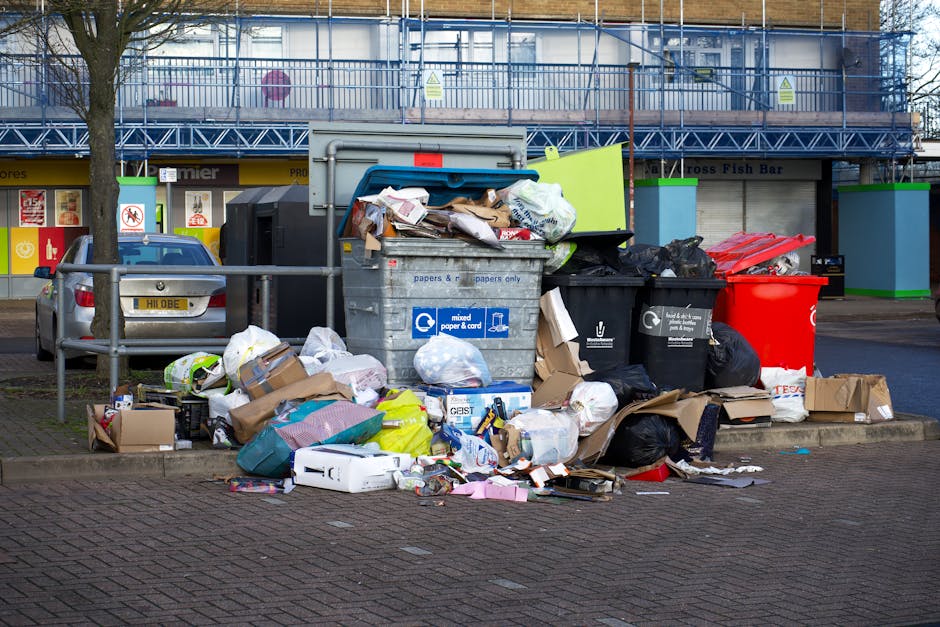
Mill Hill Broadway rubbish removal guide NW7
If you are dealing with a pile of unwanted items near the station, a flat that needs clearing, or a driveway full of bagged waste after a tidy-up, this Mill Hill Broadway rubbish removal guide NW7 will help you make sense of the process. Rubbish removal sounds simple until you are standing there with broken furniture, mixed waste, awkward access, and not enough time. That is usually when the questions start: what can go, how fast can it be removed, and what is the most sensible option for your situation?
In this guide, you will find a clear breakdown of how rubbish removal works in the Mill Hill Broadway area, what to expect from a professional service, which mistakes people commonly make, and how to decide between removal, clearance, recycling, or a skip-based approach. It is written for real-life situations, not theory. To be fair, that is usually what people need most.
Table of Contents
- Why Mill Hill Broadway rubbish removal guide NW7 Matters
- How Mill Hill Broadway rubbish removal guide NW7 Works
- Key Benefits and Practical Advantages
- Who This Is For and When It Makes Sense
- Step-by-Step Guidance
- Expert Tips for Better Results
- Common Mistakes to Avoid
- Tools, Resources and Recommendations
- Law, Compliance, Standards, or Best Practice
- Options, Methods, or Comparison Table
- Case Study or Real-World Example
- Practical Checklist
- Conclusion
- Frequently Asked Questions
Why Mill Hill Broadway rubbish removal guide NW7 Matters
Mill Hill Broadway sits in a busy part of NW7 where homes, flats, small businesses, and commuting life all overlap. That mix creates a common problem: waste builds up quickly, but space to store it is limited. A few bags in a hallway can become a real nuisance before you know it. One broken wardrobe can block a landing. A few garden trimmings can turn into a soggy, smelly corner after a rainy week. London weather rarely helps, of course.
Rubbish removal matters here because the area has practical constraints that shape how you get rid of waste. Parking can be tight. Access may involve stairs, side passages, controlled entrances, or shared courtyards. If you are trying to move bulky items on your own, it can take far longer than expected. That is where a structured, reliable approach saves time and stress.
This guide is also useful because rubbish removal is not just about "getting rid of stuff". It is about choosing the right route for the material you have, whether that means household junk, furniture, garden waste, builders' debris, white goods, office items, or a mixed clearance that needs sorting. A good plan keeps the job quicker, safer, and usually less messy.
Expert summary: the best rubbish removal jobs are not the fastest ones on paper; they are the ones that are planned well, handled safely, and cleared in a way that avoids extra trips, wasted money, and last-minute confusion.
If you need a broader overview of waste handling as part of a larger job, the site's waste removal service and recycling and sustainability approach are useful companion pages to understand how mixed loads are usually managed.
How Mill Hill Broadway rubbish removal guide NW7 Works
At a practical level, rubbish removal is the process of collecting unwanted items from your property and moving them to the appropriate disposal or recycling route. In many cases, the service is more flexible than a skip, because the team removes the waste for you rather than leaving you to fill a container on the street or driveway.
For most Mill Hill Broadway properties, the process usually follows a few straightforward stages. First, you describe what needs to go. Then the provider assesses the load, access, and likely handling requirements. After that comes the collection itself, which may involve lifting, carrying, loading, and separating items into suitable waste streams. Finally, the waste is taken away for onward processing, which may include reuse, recycling, or disposal depending on the material.
The important thing to understand is that rubbish removal is not one single thing. It can cover:
- single bulky items, like a mattress or sofa
- mixed household junk from cupboards, lofts, or garages
- garden waste after pruning or landscaping
- builders' rubble and renovation debris
- office waste and old workplace items
- appliances that need careful handling
If your waste is mostly furniture, the site also has dedicated pages for furniture clearance and furniture disposal, which can be helpful when the job is more item-specific than general rubbish removal.
And if the job is more about an entire property than a pile of loose waste, you may also want to look at home clearance, house clearance, or flat clearance. Those services overlap, but each suits a slightly different kind of job.
Key Benefits and Practical Advantages
The main advantage of organised rubbish removal is speed. You do not have to hire a vehicle, recruit a friend with a van, or make multiple trips to a disposal site. That alone can be a relief when life is already busy. But there are a few other benefits people sometimes overlook.
- Less physical strain: heavy lifting is handled for you, which matters with bulky or awkward items.
- Better use of time: instead of spending an afternoon loading and unloading, you can focus on the rest of the move, refurb, or declutter.
- Cleaner finish: a proper removal leaves the space usable again, not half-cleared and nagging at you.
- More suitable for mixed loads: rubbish removal is often easier than choosing one container type for everything.
- Reduced risk of disposal mistakes: some materials need special handling and should not be mixed casually with general waste.
There is also a peace-of-mind factor that is hard to quantify. When the waste is gone, the room feels different. Quieter, somehow. More manageable. You notice the floor again. The air feels less cluttered. Small thing, maybe, but it changes how a home or workspace feels.
For jobs involving heavy domestic furniture, a dedicated option such as mattress and sofa disposal can be a better fit than a broad general collection. Likewise, if old appliances are taking up space, the page on fridge and appliance removal is worth a look.
Who This Is For and When It Makes Sense
This guide is for anyone in or around Mill Hill Broadway who needs waste removed without turning it into a weekend project. That could mean a landlord preparing between tenancies, a homeowner doing a clear-out, a tenant leaving a flat, a business refurbishing a workspace, or someone just trying to get the garage back under control.
It makes sense when you have one or more of these situations:
- your rubbish is too bulky for regular household collection
- the waste is mixed and would be awkward to sort into bags or bins
- you have limited time and want the job finished in one visit
- access is awkward enough that moving everything yourself would be a pain
- you are clearing out after decorating, moving, or renovating
- you want a more orderly, professional approach than a "pile it and hope" method
There is a difference between a quick tidy and a proper clearance. If it is just a few black bags, you may not need much. But if you are looking at stacked furniture, broken fittings, old storage boxes, or a shed full of forgotten bits, rubbish removal becomes much more sensible.
Businesses in the area may find business waste removal more relevant, especially when office furniture, paper waste, or refurbishment debris needs attention alongside everyday operations. And if the concern is about more than one room, the site's office clearance and garage clearance pages can point you in the right direction.
Step-by-Step Guidance
Here is a practical way to think through the process. Simple on the surface, but it saves headaches.
- Identify the waste clearly. Walk through the space and separate general rubbish from bulky items, recyclables, appliances, and anything that may need special handling.
- Check access. Note stairs, narrow halls, controlled entry, parking limitations, or any other obstacle. A quick look now saves confusion later.
- Group items by type. Put furniture together, bag loose waste, stack cardboard flat, and keep fragile or hazardous items separate.
- Remove obvious valuables. It sounds basic, but people do forget things in cupboards and drawers. Keys, paperwork, chargers, spare cash, even sentimental bits. It happens.
- Ask what the provider accepts. Not every service handles every item. This matters especially for appliances, electricals, and anything hazardous.
- Compare the option that fits the job. For some loads, a full clearance makes sense. For others, a simpler rubbish removal is enough.
- Prepare the path. Clear hallways, move cars if possible, and make the collection route as straightforward as you can.
- Confirm the finish you want. Do you want items taken from one room, from the curb, from a garden, or from multiple levels? Be specific.
A lot of trouble comes from vague instructions. "There's some stuff to take away" sounds harmless, but it can mean anything from a few bags to a full flat of mixed junk. The clearer you are, the smoother the day goes.
If you are still comparing quote structures or service scope, pricing and quotes is a useful page to review before you book.
Expert Tips for Better Results
Over time, the best rubbish removal jobs tend to follow a few habits. Nothing flashy. Just sensible planning.
- Sort before the collection day. Even a basic sort saves time on site and helps avoid avoidable delays.
- Keep hazardous items out of the general pile. Paint, chemicals, some batteries, gas canisters, and similar materials need careful handling.
- Break down what you can safely. Flat-pack wood, empty cardboard, and dismantled shelving often move more efficiently.
- Measure awkward items. If something is oversized, knowing its dimensions helps prevent "will this even fit?" moments.
- Think about reuse. Some items are better passed on, repaired, or recycled rather than treated as plain rubbish.
- Take photos if the load is complicated. A couple of quick pictures can make quotes or planning much easier.
One little practical tip: if your waste includes both bulky household items and loose bagged rubbish, place the loose bags where they can be reached first. That small detail can make the whole collection feel more orderly. It sounds trivial, but it matters on the day.
For people clearing out stored items, the loft clearance page is often relevant too. Loft jobs are rarely glamorous. Dusty, cramped, a bit warm in summer, and somehow always more cluttered than you remember.
Common Mistakes to Avoid
Most problems with rubbish removal are avoidable. The usual pattern is not bad luck; it is poor prep.
- Mixing everything together. It is quicker in the moment, but slower and messier later.
- Assuming all waste is the same. General household waste, furniture, building rubble, and electricals do not always belong in the same process.
- Underestimating access. A job that looks easy from the pavement can become awkward once stairs, tight corners, or shared entrances come into play.
- Forgetting about prohibited items. This is where people get caught out, especially with hazardous or specialist waste.
- Not checking the scope of the service. Is loading included? Is sorting included? Is collection from inside or outside? Ask early.
- Leaving booking too late. If you are moving house, refurbing, or clearing before guests or tenants arrive, last-minute arrangements can be stressful.
A small but common mistake is simply keeping too much "just in case" stuff. We all do it. That spare lamp, those old cables, a chair that might be useful one day. By the time the pile starts growing, it is no longer a maybe. It is clutter.
Tools, Resources and Recommendations
You do not need specialist equipment for every rubbish removal job, but a few basic tools can make preparation easier and safer.
- Heavy-duty bags or sacks for loose waste
- Gloves for rough edges, splinters, and dusty items
- Tape and labels if you are separating keep, recycle, and remove piles
- Basic measuring tape for bulky items and access points
- Camera phone to record the load before collection
- Marker pen for identifying items that should not be moved or reused accidentally
In terms of service pages, these are the most useful on this site for readers deciding what they actually need:
- waste removal for general mixed loads
- builders waste clearance for renovation debris
- garden clearance for green waste and outdoor clutter
- garage clearance for stored items, tools, and old boxes
- home clearance for wider domestic clear-outs
If security and reassurance matter to you, it is also sensible to review payment and security, insurance and safety, and the company's about us page. Those pages help you judge how seriously a provider approaches the practical side of the job.
Law, Compliance, Standards, or Best Practice
Rubbish removal in the UK is shaped by basic legal and environmental responsibilities, even if every job is different. You do not need to memorise legislation to choose a good service, but it helps to understand the general principles.
As a homeowner, tenant, landlord, or business owner, you should avoid handing waste to anyone who cannot handle it responsibly. If waste is fly-tipped or disposed of improperly, the original owner or the person arranging removal can sometimes face unpleasant questions. That is why sensible paperwork, clear communication, and reputable handling matter.
Best practice usually means:
- keeping hazardous waste separate where required
- using proper handling for electricals and appliances
- prioritising reuse and recycling where possible
- keeping the site safe during loading and removal
- being honest about the type and volume of waste
For items like fridges, freezers, and other appliances, careful treatment is especially important. The page on fridge and appliance removal is useful because these items can involve different handling from ordinary household rubbish. Likewise, if the waste includes anything risky or contaminated, hazardous waste disposal is the safer route to consider.
There is also a practical standard to keep in mind: a reputable removal should leave you with a cleaner, safer space and a clear understanding of what has been taken. No guesswork. No mystery van, no mystery pile. That would be a bit too casual, frankly.
Options, Methods, or Comparison Table
Choosing between rubbish removal methods depends on the job, the access, and how involved you want to be. Here is a straightforward comparison.
| Option | Best for | Pros | Trade-offs |
|---|---|---|---|
| Professional rubbish removal | Mixed waste, bulky items, quick clear-outs | Fast, hands-off, flexible, less lifting for you | May cost more than doing it yourself |
| Skip hire | Longer projects, ongoing waste generation | Useful if waste accumulates over time | Requires space, loading effort, and planning |
| Self-haul to a disposal point | Small loads and people with a suitable vehicle | Can work for lighter jobs | Time-consuming, physically demanding, multiple trips |
| Specialist item removal | Appliances, furniture, mattresses, awkward single items | Tailored handling and clearer fit for the item | Only suitable for specific waste types |
If you are unsure whether a skip or rubbish removal is better, the site's what can go in a skip page can help you compare the limitations and strengths of that route. For many people, that comparison alone makes the decision much clearer.
Case Study or Real-World Example
Here is a realistic scenario. A resident near Mill Hill Broadway has a small flat with a hallway stacked with cardboard, a broken bedside cabinet, an old wardrobe, and two bin bags of mixed household clutter. Nothing dramatic, just the kind of job that slowly gets in the way of daily life.
At first glance, it looks like a "few bags" sort of job. But then the wardrobe turns out to be too large to shift without dismantling, the hallway is narrow, and the stairs are tight. The resident also has a fridge in the kitchen that is no longer working and needs special handling. Suddenly the job is not just rubbish. It is a mixed clearance with access concerns.
In a case like that, the best approach is usually to separate the items, note any appliance or specialist waste, and choose a service that can remove everything in one go. That avoids repeated disruption. You hear the scrape of furniture feet, the shuffle of bags, and then it is done. A proper reset.
If the same person also had a spare room full of paperwork and old electronics, then a more complete service might be relevant, perhaps combined with confidential shredding for documents that should not just be thrown in with general waste. That little detail can matter more than people expect.
Practical Checklist
Use this checklist before arranging rubbish removal in Mill Hill Broadway NW7. It keeps the process calmer, and calmer is good.
- Identify every item or waste type that needs to go
- Separate general waste, recycling, appliances, furniture, and hazardous materials
- Check whether anything can be reused or donated first
- Clear access paths, stairwells, and doorways where possible
- Measure large items and note anything unusually heavy or awkward
- Take photos if the load is mixed or hard to describe
- Confirm what the service includes and what it does not
- Ask about handling for special items such as fridges or mattresses
- Remove valuables and important documents before collection
- Make sure you know where the waste is being removed from
- Keep the collection area as clear as possible on the day
- Review the provider's pricing and safety information in advance
If you are dealing with a larger domestic job, the pages for house clearance and flat clearance are useful reference points. For outdoor waste, garden clearance usually makes more sense. Simple, but worth getting right.
Conclusion
Mill Hill Broadway rubbish removal guide NW7 is really about making a messy situation manageable. Whether you are clearing a flat, tidying a garden, getting rid of old furniture, or dealing with mixed waste after a project, the best results come from clarity, preparation, and choosing the right kind of removal for the job.
What matters most is not just getting waste out of sight. It is getting it removed safely, responsibly, and in a way that fits the space you actually have to work with. If you plan well, the whole process feels easier than expected. And that relief, once the space is clear, is hard to beat.
Get a free quote today and see how much you can save.
When the clutter is gone, the room breathes again. That is usually the moment people realise they waited a bit too long, but also the moment they feel much better for doing it.
Frequently Asked Questions
What does rubbish removal in Mill Hill Broadway usually include?
It usually includes the collection and removal of unwanted waste such as bagged rubbish, bulky household items, old furniture, garden waste, appliances, or mixed clutter. The exact scope depends on the provider and the type of waste you have.
Is rubbish removal better than hiring a skip?
It depends on the job. Rubbish removal is often better for mixed loads, bulky items, and situations where you want everything taken away quickly. A skip may suit longer projects where waste builds up over time and you have space for the container.
Can I put furniture in a rubbish removal collection?
Yes, in many cases. Sofas, tables, chairs, wardrobes, and similar items are often removed as part of a furniture clearance or general waste removal, depending on condition and access. Large items may need dismantling first.
What should I do with a broken fridge or washing machine?
Appliances are best handled carefully, especially if they are bulky or contain components that need specialist treatment. A dedicated appliance removal service is usually the safest option for this type of item.
How do I prepare my property before collection day?
Separate items by type, clear access routes, remove valuables, and point out anything that needs special care. If possible, group the waste together in one accessible area so the collection is quicker and safer.
Can rubbish removal handle loft or garage clear-outs?
Yes. Loft and garage clearances are common, especially when stored items have piled up over time. These jobs often involve mixed waste, old boxes, broken furniture, and things you have not looked at in years.
What happens if I have hazardous waste?
Hazardous materials should not be mixed with general rubbish. Items like chemicals, some paints, and other risky materials need careful handling and may require a specialist disposal route.
How long does a typical rubbish removal take?
It varies a lot. A single bulky item may take only a short time, while a full clearance from a flat or house can take significantly longer. Access, volume, and item type all affect the timing.
Do I need to sort everything before the team arrives?
You do not need to sort every last thing perfectly, but some basic organisation helps. Separating furniture, general waste, recycling, and special items makes the collection more efficient and reduces mistakes.
Is it safe to leave items in the hallway or outside for collection?
Only if that arrangement has been agreed and it is safe to do so. Items left in shared spaces or on the street can create obstruction, weather damage, or security issues, so it is better to confirm the plan first.
What if I also need papers or documents destroyed securely?
If the job includes confidential paperwork, a confidential shredding service is the better fit. That keeps sensitive material separate from ordinary rubbish and reduces the risk of it being handled incorrectly.
How do I choose the right service for my waste?
Start with the type of waste, the amount, and the access at your property. Then compare whether you need a general waste removal, furniture disposal, garden clearance, builders' waste clearance, or a more complete home or house clearance. The right fit is usually the simplest one that genuinely covers the job.